

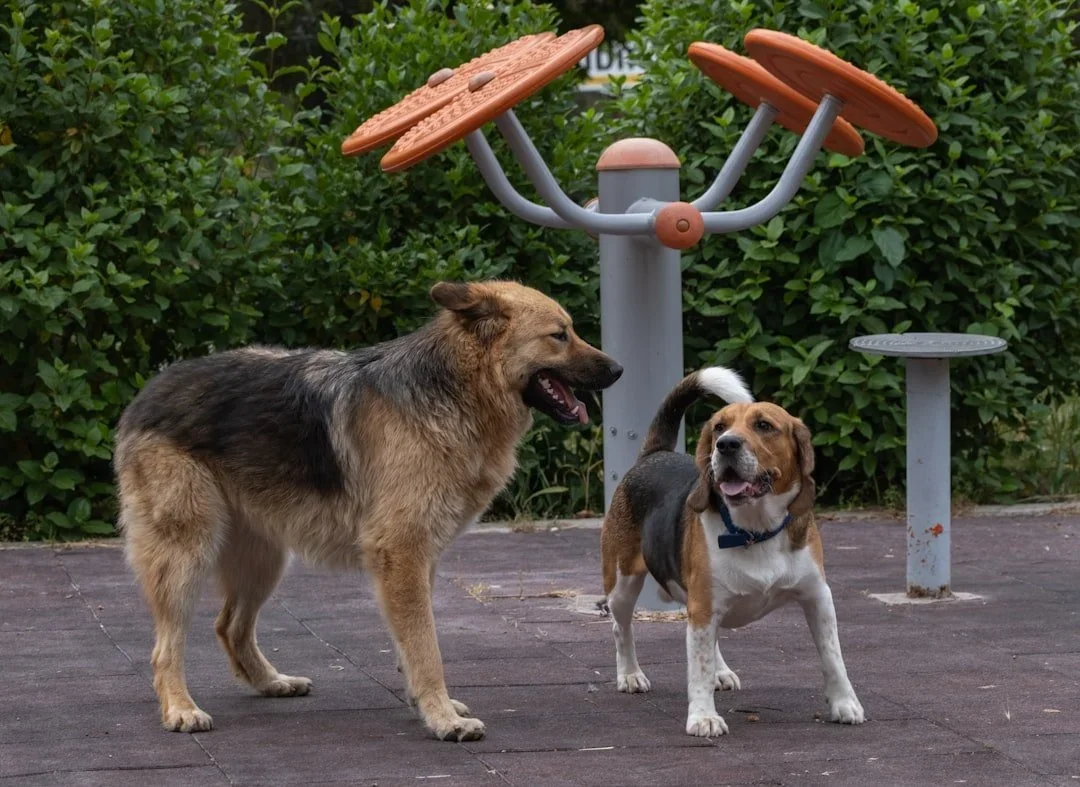
Senior dogs are last chosen and first euthanized. We serve them on both ends.
Senior Guardian Program
Senior dogs face a crisis on two fronts. Those living with elderly or health-compromised owners are at risk of losing their home when their person can no longer provide full care. Those sitting in shelters are overlooked daily for younger, flashier dogs, and face the highest euthanasia rates of any shelter population.
Second Chance Seniors exists for both.
Two initiatives. Senior Dogs Supported on Every Side.
Initiative 01
For senior dogs whose owners face aging, illness, or financial hardship, we provide the medical and logistical support that lets families keep their senior dog through end-of-life care.
What's covered:
Routine and emergency veterinary care
Prescription medications
Orthopedic beds, ramps, and mobility aids
Short-term boarding during owner hospitalization or crisis
Coordination with family members and care facilities
Families should never feel forced to surrender a senior dog because of age-related costs. We are here to keep them together.
All 50 states.
Keeping Senior Dogs Home
Initiative 02
For families adopting a senior dog (age 7+) from any shelter or rescue, we remove every financial barrier between them and a home.
What's covered:
Adoption fee — paid directly to the shelter
First year of routine veterinary care
One-time supply kit: food, bed, leash, collar, ID tag
Total value: $600–$900 per dog Cost to the adopter: $0
Senior dogs in shelters are passed over every single day. They are calm, trained, and devoted — but they sit in kennels while families walk past them toward the puppies. Second Chance Seniors exists to change that.
All 50 states.
Second Chance Seniors
Who Can Apply
Senior dog owners (age 7+) facing financial hardship, illness, or aging-related caregiving challenges
Families adopting a senior shelter dog from any 501(c)(3) rescue or municipal shelter
Caregivers of senior dogs whose primary owner is hospitalized or transitioning to assisted living
We review all cases individually and prioritize senior dogs at risk of surrender or euthanasia.