

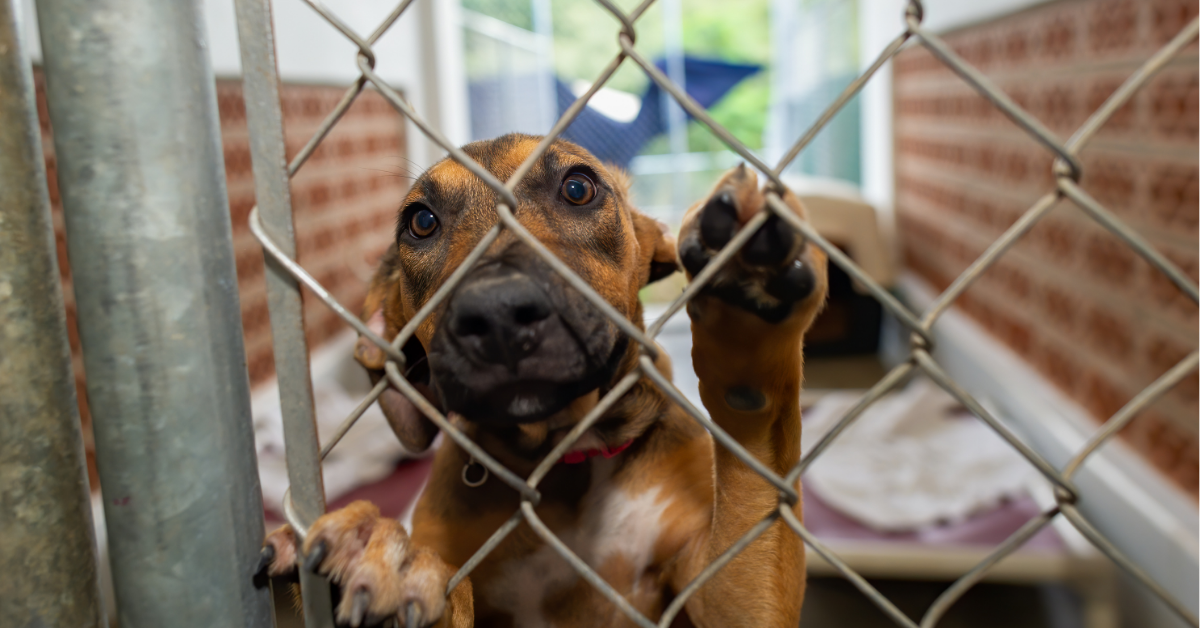
The organization that removes every barrier between a dog and home.
Shelter to Home Initiative
Most of our work happens before a dog ever enters a shelter — we pay the vet, cover the food, fund the boarding, support the senior owner. But some dogs end up in the kennel anyway.
Shelter to Home is for them.
We built this program around one question: what actually stops a willing family from adopting a shelter dog? The answer is never just the adoption fee. It's the euthanasia clock. The landlord's no-pet policy. The employer who won't help. The dog returned because the placement wasn't right.
We built a program for all of it.
the fee, the fear, the landlord, the clock.
Five initiatives. Every barrier removed.
-
Dallas-area shelters · Real-time activation
A dog hits the euthanasia list. We have 48 hours.
Second Leash Foundation monitors the 72-hour euthanasia lists at Dallas-area shelters. When a dog needs an outcome, we have 48 hours to fund one of three options:
Connect the dog with an adopter
Coordinate a rescue pull
Fund emergency boarding while a home is found
Every activation is posted publicly. Real dog. Real name. Real countdown.
$35 keeps a dog alive for one more night while we find their home.
How it works:
Alert — A dog hits the euthanasia list at a Dallas-area shelter
Notification — Second Leash Foundation receives the alert through partnership channels
Public countdown — We post the dog's name, photo, and timeline on social media
Activation — Donors fund the $35-per-night safety window while we work
Outcome — Adopter, rescue pull, or emergency boarding placement
Reporting — The result is posted publicly: outcome, donor count, named dog
-
All 50 states
The fee should never be the reason a dog stays in a shelter.
Every year, adoptable dogs sit in shelters longer than they should — not because no one wants them, but because the adoption fee is one bill too many for a family already stretched thin.
Second Leash Foundation pays adoption fees directly to shelters and rescue organizations on behalf of adopters who face financial barriers. The dog goes home. The shelter is paid in full. The family keeps what little they have left.
How it works:
A qualifying adopter identifies a dog at a municipal shelter or 501(c)(3) rescue
They submit an application to Second Leash Foundation
We review and verify
We pay the adoption fee directly to the shelter or rescue — never to the adopter
The dog goes home
Average cost per placement: $50–$300.
-
All 50 states · Pet-Friendly Landlord Network
Turning "no pets" into "yes."
The landlord barrier is the most underestimated obstacle to adoption in urban areas. No-pet leases and breed restrictions block dog adoption for tens of thousands of renters who could and would adopt. A person can want a dog desperately and be blocked entirely by their landlord.
Second Leash Foundation builds a certified Pet-Friendly Landlord Network. Property owners who agree to allow dogs receive access to the Pet Damage Protection Fund — a reserve that covers legitimate pet damage claims up to a defined limit per tenancy.
The landlord's financial risk disappears. The renter can adopt. The dog finds a home.
The terms:
Landlords pay nothing
Tenants pay nothing
The fund covers legitimate, documented pet damage up to a defined cap per tenancy
Funded by donor gifts and corporate sponsorships
-
Corporate partnerships
The company gets a story. The employee gets a dog. The shelter loses a kennel space.
Second Leash Foundation partners with employers as Adoption Match sponsors. When an employee adopts a shelter dog, the employer matches the adoption fee as a charitable contribution to Second Leash Foundation.
Every placement is a named employee, a named dog, and a company that made it possible.
How it works:
An employer becomes a Second Leash Adoption Match partner
An employee adopts a dog from a shelter or rescue
The employee notifies HR
The employer matches the adoption fee as a tax-deductible donation to Second Leash Foundation
Second Leash applies that donation to the next adopter who needs Adoption Fee Assistance
One placement powers the next. Every employee adoption creates the funding to remove the next family's barrier.
-
DFW partner network
No adoption ends at a shelter. Ever.
The single biggest reason people hesitate to adopt is fear. What if it doesn't work out? What if the dog isn't the right fit? What if my landlord changes their mind?
Most people don't say this out loud. They just walk past the kennel and keep going. The dog stays.
The Foster Safety Net removes that fear completely.
Any adopter who takes a dog from a Dallas-area shelter gets access to the Foster Safety Net for the first 30 days. If the adoption genuinely isn't working — the dog isn't the right fit, the landlord pushes back, a life circumstance changes — Second Leash Foundation funds up to 30 days of boarding at a licensed partner facility while we find a better match.
The dog never goes back to a shelter. It gets a second shot at the right home.
How it works:
You adopt a dog from a Dallas-area shelter or rescue
Within the first 30 days, if the placement isn't working, you contact Second Leash Foundation
We place the dog at one of our partner boarding facilities — same network we use for the Crisis Boarding Program
We work to find a better match while the dog stays safe and cared for
The dog goes to the right home. Not back to a shelter. Ever.
Who Can Apply
Shelter and rescue adopters — from any municipal shelter or 501(c)(3) rescue
You're adopting from a municipal animal shelter, a 501(c)(3) rescue organization, or a verified animal control facility. We don't assist with private rehoming, Craigslist transfers, or transactions outside a recognized adoption process. You can apply before, during, or after you've identified a specific dog.
First-time adopters who need help getting started
Adopting your first dog is a real commitment — and the upfront costs add up fast. The fee, the supplies, the first vet visit, the pet deposit. We help cover those starter costs so first-time adopters can focus on welcoming the dog, not financing the welcome.
Adopters of senior or hard-to-place dogs (priority consideration)
Senior dogs (age 7+), dogs with chronic medical needs, and dogs who have spent extended time in a shelter face the lowest adoption rates and the highest euthanasia rates. When you commit to one of these dogs, you save a life the system was about to give up on. We prioritize these applications and may offer additional support beyond standard assistance — supplies, ongoing vet care, or post-adoption coverage.
Adopters facing financial hardship in any state
Hardship looks different for every household — job loss, reduced hours, a recent medical bill, caring for an aging parent, divorce, or any temporary situation that has stretched your budget. We don't require pay stubs or tax returns. We ask you to describe your situation honestly. The review prioritizes the dog's outcome and the family's stability, not a means test.
Renters facing no-pet-lease barriers
If your landlord's no-pets policy is the only thing standing between you and adopting, our Pet Damage Protection Fund may help. We work directly with property managers to remove that barrier — covering legitimate pet damage claims so they can say yes. If you've found a dog and the landlord is the obstacle, apply and we'll reach out to your property manager.
You don't need to be low-income to apply. You need to be committed to providing a safe, loving home.